Understanding the psychology behind gambling behavior in casinos
- nodedaemoninfratask
- 0 Comments
Understanding the psychology behind gambling behavior in casinos
The Allure of Gambling: Understanding the Initial Attraction
The excitement of entering a casino is often unparalleled, with vibrant lights, captivating sounds, and the buzz of potential winnings. This environment is meticulously designed to stimulate the senses and draw people in. The thrill of chance taps into a fundamental human instinct, making the act of gambling inherently alluring. For many, the idea of striking it rich from a single wager becomes a seductive prospect that triggers a rush of adrenaline, similar to that experienced in high-stakes sports or extreme adventures. You can learn more by visiting https://polymarket.org.uk/.

This immediate gratification plays a crucial role in why individuals are drawn to casinos. The opportunity to win money instantly is a powerful motivator, providing an exhilarating high that can often overshadow the reality of loss. Casinos leverage this by creating a setting where the potential rewards far outweigh the risks in the minds of players. As such, this psychological perspective transforms gambling from a mere game into a captivating experience, often leading individuals to underestimate the likelihood of losing.
Moreover, social interactions in casinos contribute significantly to the allure of gambling. Many people find joy in sharing the experience with friends or meeting new people while engaging in games. This communal aspect fosters a sense of belonging and makes the overall experience more enjoyable. The social dimension of gambling can amplify the excitement, making it a favored activity among groups, thereby further driving participation and investment in the gambling culture.
The Psychological Traps of Gambling
Cognitive biases significantly influence gambling behavior, often leading players to make irrational decisions. One common bias is the illusion of control, where individuals believe they can influence the outcome of a game through skill or strategy, despite the inherent randomness involved. This misconception can lead to overconfidence and increased betting, as players feel they possess an edge that may not exist. Understanding this bias is crucial for recognizing how it can distort judgment and lead to persistent gambling.
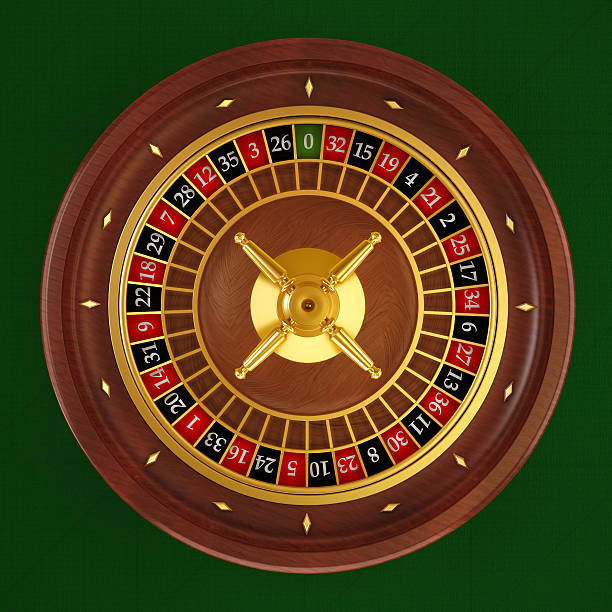
The gambler’s fallacy is another psychological trap that many fall into. This phenomenon occurs when individuals believe that past outcomes will influence future results. For instance, if a roulette wheel has landed on red multiple times, a player may believe that black is “due” for a win. Such thinking neglects the independent nature of each spin, causing players to chase losses and escalate their bets, resulting in further financial loss. This pattern highlights the importance of recognizing cognitive biases in gambling and their potential to lead to destructive behaviors.
Lastly, the concept of reinforcement also plays a significant role in gambling behavior. Casinos utilize various techniques to enhance the gaming experience, including intermittent reinforcement, where wins are sporadic but impactful. This unpredictability keeps players engaged, leading them to believe that a win is just around the corner. Over time, this can foster a compulsive gambling habit, as the brain becomes conditioned to seek the next big win, often overriding the awareness of potential financial consequences.
Addiction and Compulsion: The Dark Side of Gambling
Gambling addiction is a serious issue affecting millions, and understanding its psychological underpinnings is critical for effective intervention. The thrill of gambling can quickly spiral into compulsive behavior, leading individuals to prioritize gambling over essential life responsibilities. The dopamine release associated with winning can create a feedback loop that reinforces the desire to gamble, making it increasingly difficult for individuals to control their impulses. This addiction may lead to severe consequences, including financial ruin, damaged relationships, and emotional distress.
Recognizing the symptoms of gambling addiction is essential for both individuals and their families. Common signs include an inability to stop gambling despite the desire to quit, chasing losses, and lying about gambling habits. Understanding these signs can help individuals seek the necessary support, whether through therapy, support groups, or other resources aimed at promoting responsible gambling. The journey to recovery often requires acknowledging the psychological factors driving the addiction and addressing them through professional guidance.
Furthermore, casinos play a complex role in addiction dynamics. While many casinos promote responsible gambling initiatives, their environments are inherently designed to entice players to gamble more. Understanding the impact of these environmental factors can empower individuals to make more informed choices. By being aware of the psychological triggers present in a casino, individuals can approach gambling with greater caution, allowing them to enjoy the experience without falling into harmful habits.
The Role of Environment and Design in Gambling Behavior
Casino design is a crucial factor influencing gambling behavior, with layouts intentionally crafted to encourage prolonged play. The placement of games, lighting, and even scent can significantly impact how players engage with their environment. For instance, many casinos lack clocks and windows, creating a sense of timelessness that can lead players to lose track of time and continue betting. This carefully curated atmosphere enhances the gambling experience but also underscores the importance of being mindful of one’s environment.
The auditory landscape of a casino is equally significant. The sounds of spinning slots, clinking chips, and celebratory cheers create an immersive experience that stimulates excitement and reinforces the desire to continue playing. This sensory overload can overwhelm the senses, leading to impulsive behavior and diminished decision-making capabilities. By understanding these environmental factors, players can develop strategies to maintain self-control and avoid being swept away by the casino’s designed allure.
Moreover, the social dynamics present in a casino can amplify these effects. Witnessing others winning can create a sense of urgency and competitive spirit among players, prompting them to increase their bets in hopes of mirroring that success. This social proof can lead individuals to take unnecessary risks, all while reinforcing the captivating nature of the gambling environment. Acknowledging these social influences is vital for responsible gambling and can help players recognize when they need to take a step back.
Exploring Resources for Responsible Gambling
Understanding the psychology behind gambling behavior is essential for promoting responsible gambling. Numerous resources are available to help individuals identify and address their gambling habits. Educational campaigns often provide information on recognizing signs of addiction and strategies for managing play. Online resources, hotlines, and support groups exist to assist those struggling with compulsive behavior, providing crucial support systems for recovery.
Casinos themselves increasingly implement responsible gambling initiatives, including self-exclusion programs, limits on betting amounts, and educational resources. These measures aim to help players make informed decisions and prevent harmful gambling behaviors. Being aware of these resources can empower individuals to engage in gambling responsibly and maintain control over their actions.
Moreover, the importance of creating a balanced approach to gambling cannot be overstated. By understanding the psychological triggers and designing personal limits, players can enjoy gambling as a recreational activity without succumbing to its darker aspects. This balance is vital for fostering a healthy relationship with gambling and ensuring that it remains a source of entertainment rather than a pathway to addiction.